Sewer Camera Inspection in Phoenix, AZ
A camera on a flexible cable shows exactly what is wrong inside your sewer line, and where. Buying a home, fighting recurring clogs or holding a big repair quote? Call and we connect you with a licensed Valley contractor who runs the camera and hands you the video.
Phone lines open Mon to Sat, 7am to 7pm
When a camera inspection is worth it
- Before you buy a home. Arizona home inspection standards do not require reporting on underground systems, so the buried sewer line is usually outside a standard inspection. Schedule the scope inside your inspection period so findings can go into your BINSR (the buyer's repair request).
- Clogs that keep coming back. Snaking the same line every few months usually means roots or a broken joint. The camera shows which.
- Before you pay for a replacement. If someone quotes a full dig, ask to see the footage. Many lines need a spot repair or liner, not a new pipe.
- Older homes and big trees. Pre-1980 homes, and lines near oleanders or other large plantings, are where the camera earns its fee.
How the inspection works
The tech feeds a waterproof camera through a cleanout (usually a capped pipe near the house or in the front yard) and pushes it toward the city main while recording. A transmitter in the camera head lets them locate the pipe and mark its depth on the ground at any problem spot, which is what a repair crew needs for an accurate quote.
No cleanout? The camera can go in through a roof vent or a pulled toilet, which takes longer and usually costs more. Some contractors will recommend adding a cleanout, which also makes future maintenance cheaper.
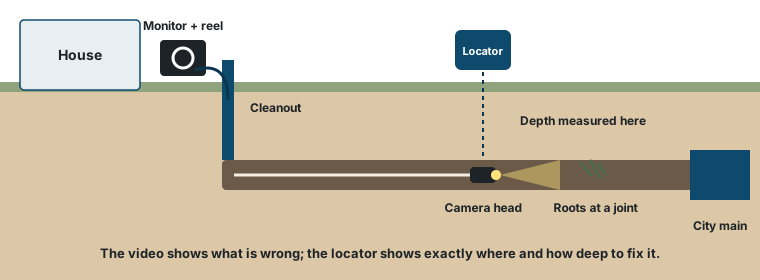
What the camera finds: a sample report, explained
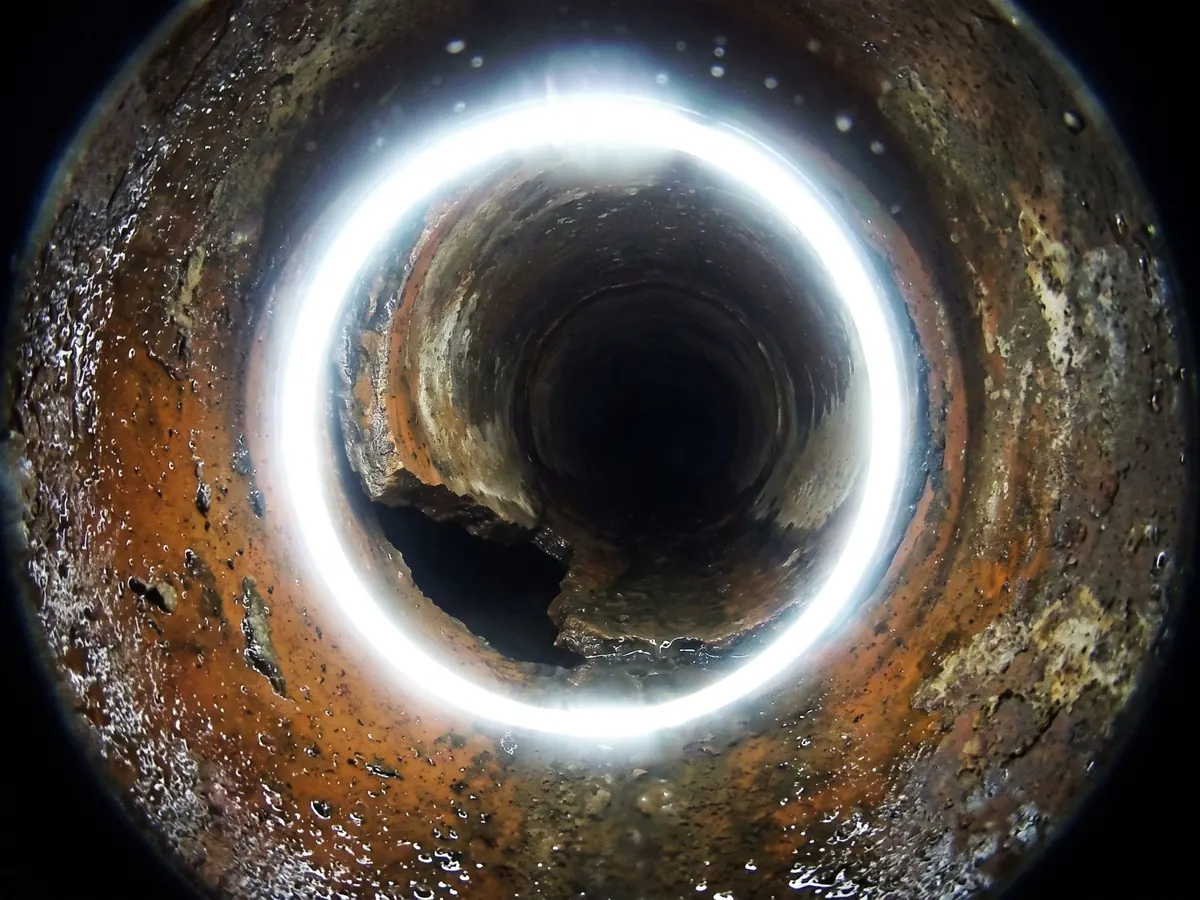
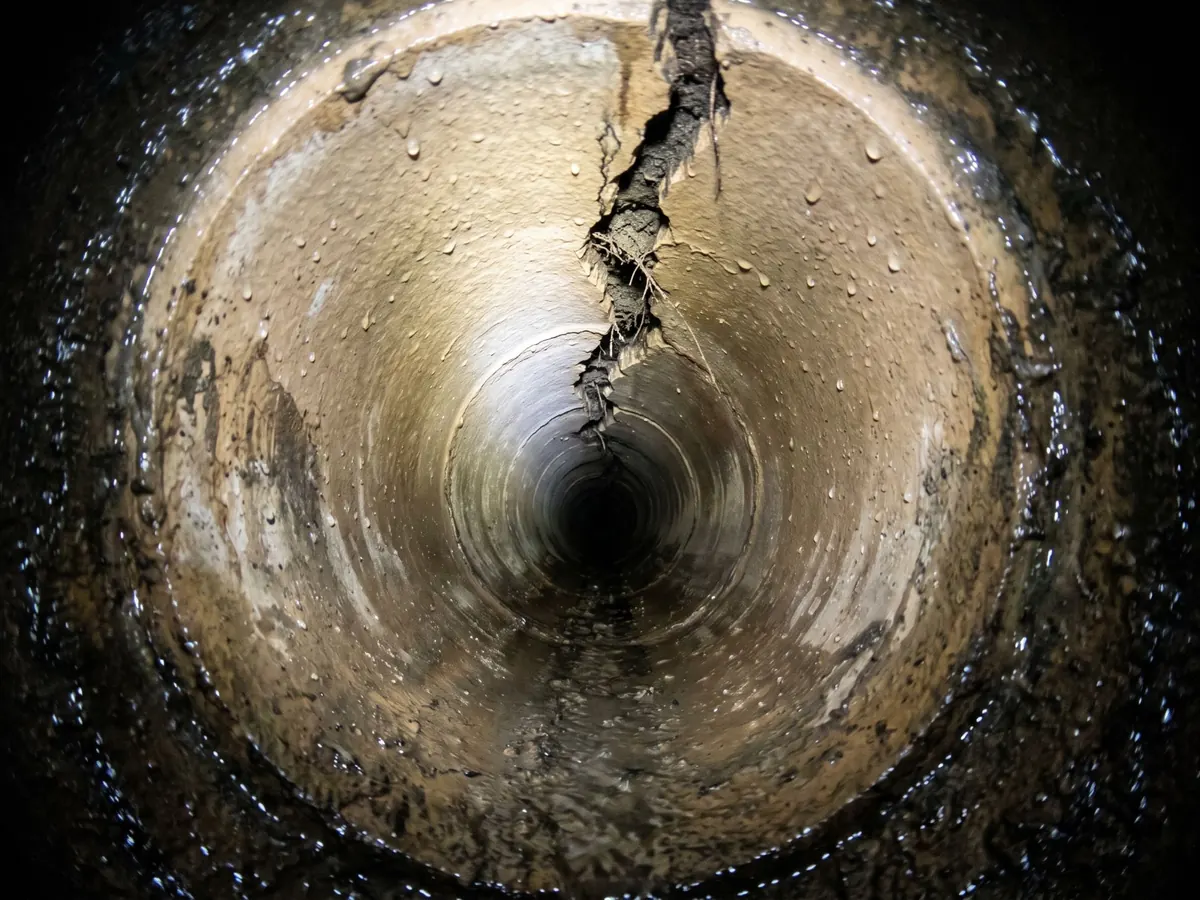
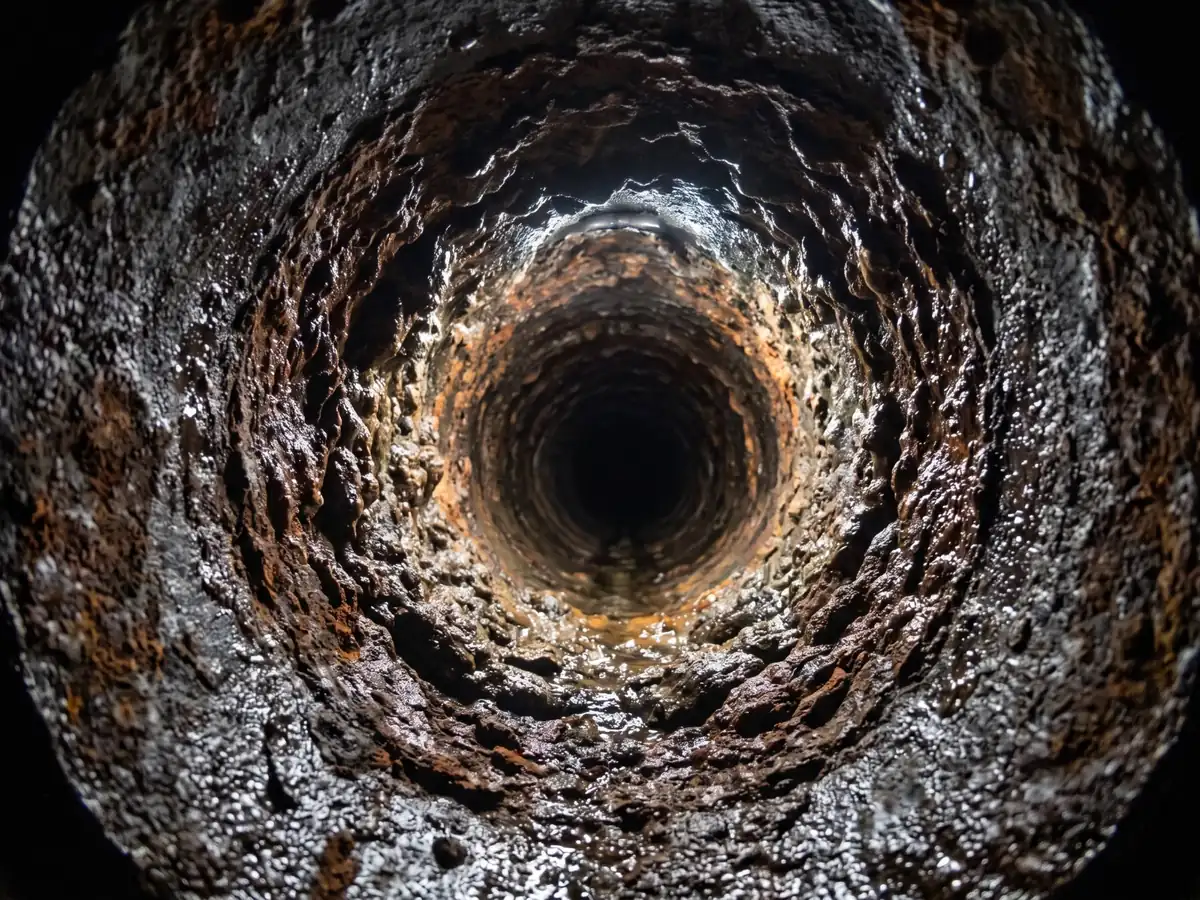
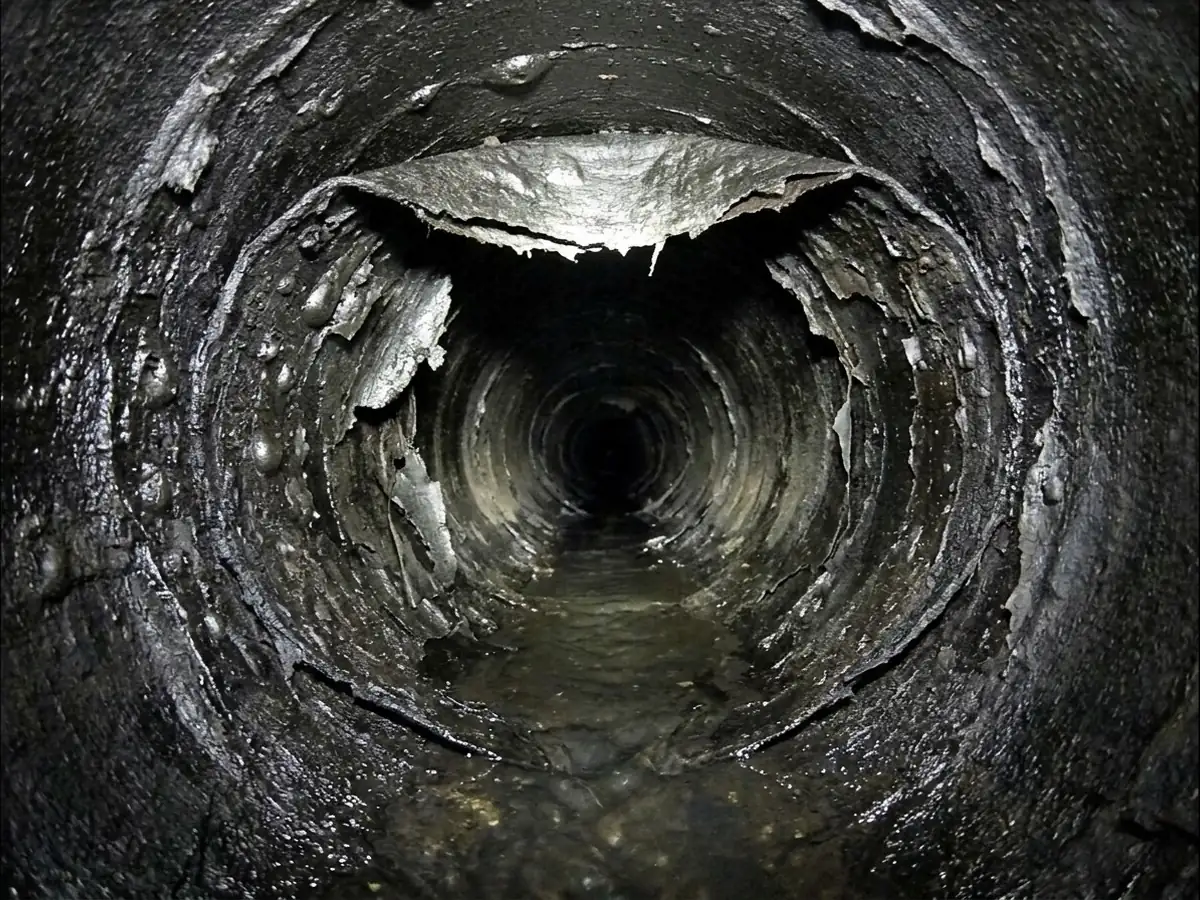
Here is what common findings mean and how urgent they are. Ask for your video and a written summary in this format so you can compare quotes.
Swipe table →
| Finding on video | What it means | How urgent | Typical fix |
|---|---|---|---|
| Fine roots at a joint | Roots found a gap between pipe sections | Watch; clear yearly | Cleaning, then a spot liner if it returns |
| Root ball blocking the pipe | Roots have filled the pipe | Soon: backups likely | Hydro jetting, then lining the joint |
| Belly / sag | A low section where water sits and waste settles | Depends on depth of the water | Minor: monitor. Deep: dig and regrade that section |
| Offset joint | Sections shifted out of line, often from soil movement | Moderate | Spot liner or sectional repair |
| Crack or fracture | Pipe wall is broken; soil and roots can enter | Moderate to high | Lining if the pipe still holds shape |
| Heavy scale in cast iron | Corrosion and buildup narrowing the pipe | Moderate | Descaling, then lining |
| Flattened / oval pipe | Typical of failing Orangeburg fiber pipe | High: collapse risk | Pipe bursting or replacement |
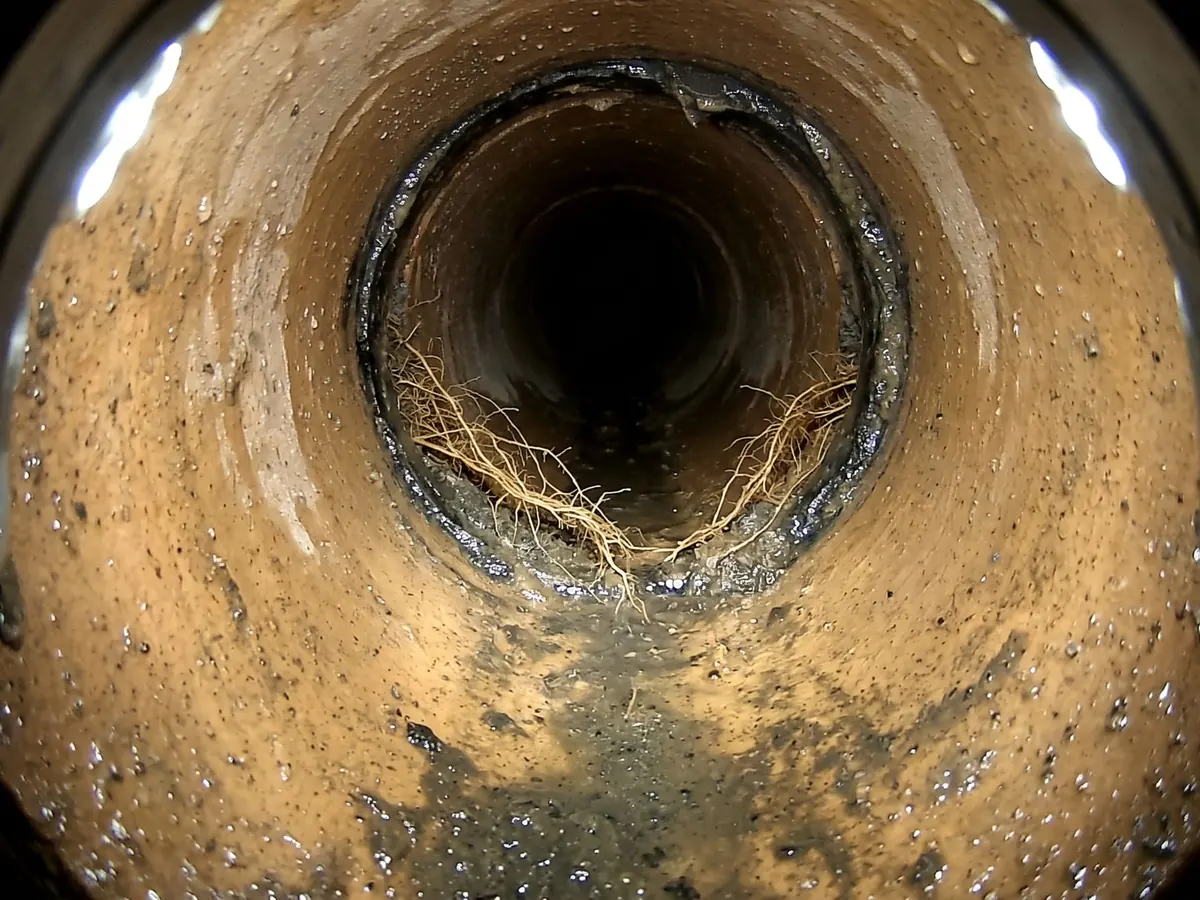
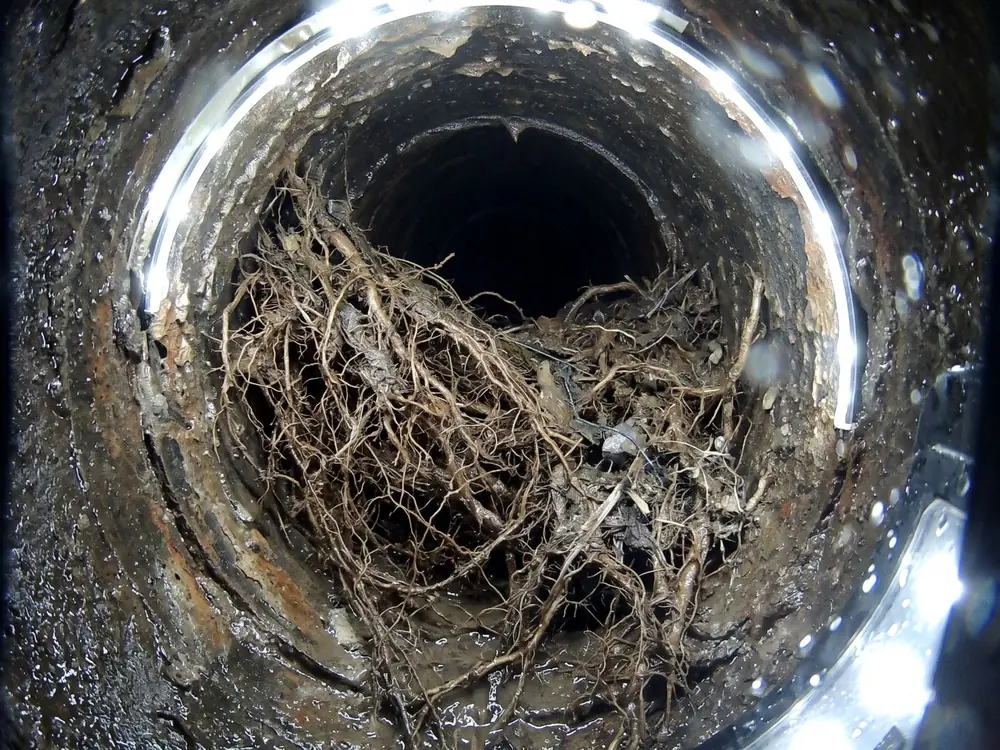
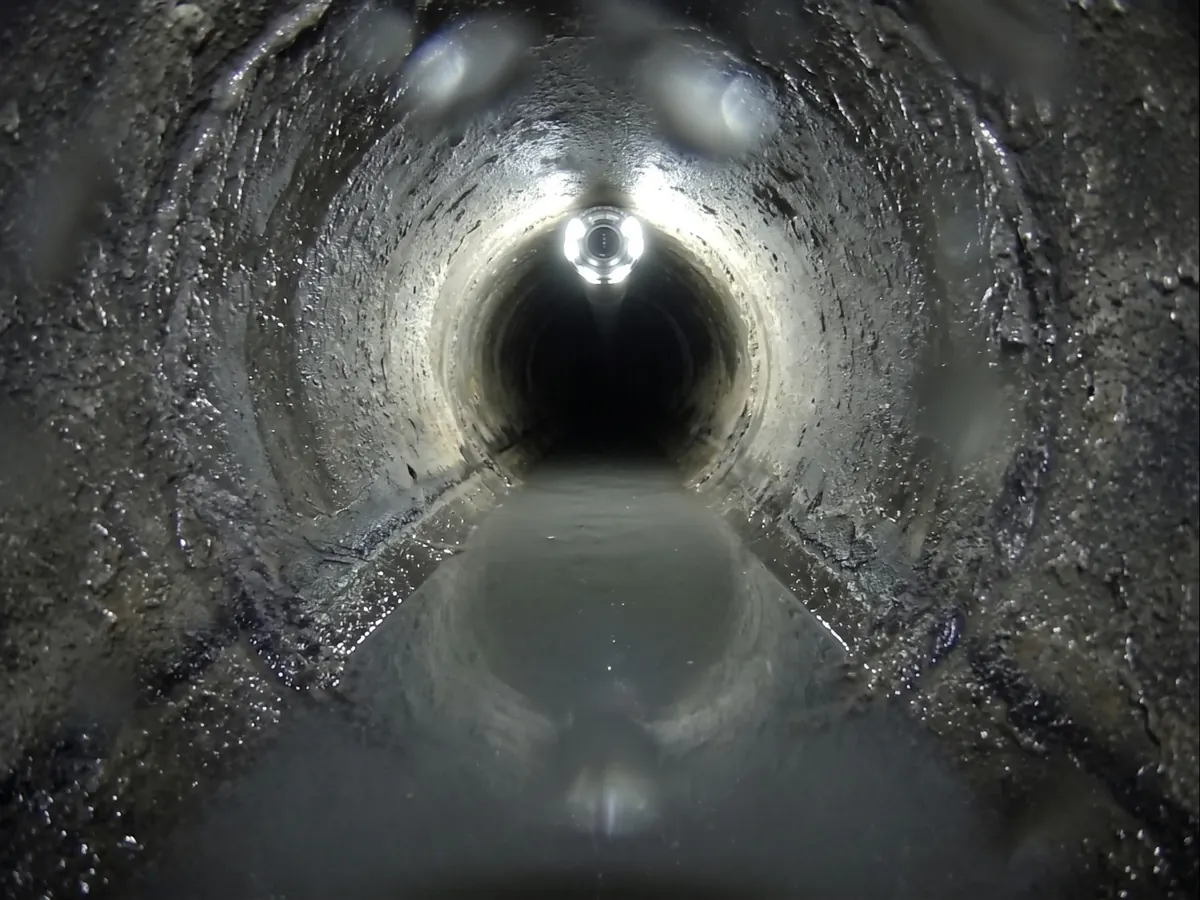
Who owns the pipe the camera is looking at
In Phoenix, the owner is responsible for cleaning and maintaining the line from the house to the city main. For single-family homes and duplexes, the City repairs a broken section that sits inside the public right-of-way (Phoenix City Code 28-5). That makes the locate important: if the camera shows the break past your property line, the City may be responsible for that section. Phoenix Water Services does not inspect private lines and tells residents to call a plumber (Phoenix Water Services).
What you should get when it is done
- The full video file (not just screenshots)
- A written summary of each finding with its distance from the cleanout
- Depth and location marks for any problem spot
- A clear statement of whether the line needs nothing, maintenance, a spot repair, lining or replacement
Independent view
If the company that runs the camera also sells the repair, it is fair to ask for the raw video and get a second quote. Good contractors expect it.
What a sewer camera inspection costs in Phoenix
Swipe table →
| Job | Typical range | What moves the price |
|---|---|---|
| Camera inspection, under 50 ft | $245 to $350 | Phoenix range with an accessible cleanout |
| Longer runs or complex access | Can exceed $1,120 | Long lines, multiple branches |
| No cleanout (roof vent or toilet access) | $175 to $750 | National range; extra time to access |
| Scope added to a home inspection | $100 to $250 | National; ask whether the inspector includes the video |
Sources: Angi, Phoenix camera inspection cost, HomeGuide. Checked September 2026.
Sewer Camera Inspection: common questions
How long does a sewer camera inspection take?
Usually under an hour for a typical single-family lateral with a working cleanout. Access through a roof vent or toilet takes longer.
Can the camera find tree roots?
Yes. Roots are one of the most common findings, from fine hair roots at joints to root balls that block the pipe.
Should I get a sewer scope before buying a house in Arizona?
For older homes or lots with large trees, it is a small cost next to a replacement. Standard Arizona home inspections do not cover underground piping, so the scope fills that gap. Schedule it early in the inspection period.
Will the inspection clear my clog?
No. If the line is fully blocked, it usually has to be cleared first so the camera can pass. Many contractors do both in one visit.
Related services
Trenchless Sewer Repair
Line or burst a failing sewer pipe through one or two small access pits instead of trenching the yard.
Read the guide →Sewer Line Repair
Backups, gurgling drains, sewage smell. Find the cheapest fix that actually works, from cleaning to a spot repair.
Read the guide →Sewer Line Replacement
When the pipe is past repair: trenchless or open-trench replacement, what goes in the quote, and how to compare bids.
Read the guide →Also available in Scottsdale, Tempe, Mesa, Glendale.
Serving Phoenix and the surrounding Valley
We connect homeowners across the Phoenix metro with licensed local sewer contractors: central Phoenix and Ahwatukee, plus Tempe, Scottsdale, Mesa and Glendale.
Also covering: Chandler, Gilbert, Peoria, Paradise Valley, Sun City.